10 Unexpected Wood Stove Burning Tips
페이지 정보

본문
EPA-Certified Wood Stoves May Not Meet Your Health and Safety Standards
Many communities have provided financial incentives to replace wood stoves with EPA-certified models that produce less polluting. But Undark discovered that some of these newer stoves may not meet EPA standards.
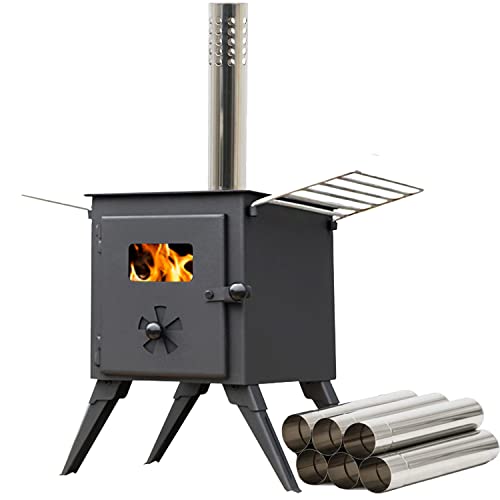 In these times of high energy prices, a lot of cities are looking for ways to reduce the use of wood, particularly in areas that have poor air quality. Here are 10 things you can do to improve indoor air quality and get more heat from each log.
Efficiency
Wood stoves are one of the most energy-efficient ways to heat your house. Modern EPA certified wood stoves burn logs extremely quickly and produce less creosote than older models. This allows you to burn a higher portion of the potential energy from your fire in a shorter amount of time and reduce your heating bills by up to 30 percent. The efficiency of wood stoves grows over the lifetime of the stove if you use only wood that is seasoned.
Older wood stoves have an efficiency of 50 percent or less. This means that half the energy potential in the fire is lost because carbon monoxide and smoke are released into the air. Modern stoves have efficiency of up to 85 percent or more, which is comparable to the efficiencies of oil and gas furnaces.
The higher efficiency of wood stoves can be achieved by controlling the fuel, air, and combustion process. Wood stoves with controlled airflow can slow the speed at which the fire moves through wood, allowing the gases to remain hot and completely burn.
Modern wood stoves are able to reuse the byproducts of incomplete combustion to create a new fire that burns more efficiently. This process, referred to as Reburn, can improve the efficiency of wood stoves up to 10 percent.
Another benefit of using wood as a source for heat is that it is carbon neutral. As trees expand they absorb carbon dioxide and release oxygen when burned. Wood is a renewable resource for the environment, particularly when it comes from local woodlands, which are managed in a manner that encourages healthy tree growth.
Cleanliness
Cleaning and maintaining wood stoves is essential for keeping homes warm. In the United States, 8.8 million households utilize wood stoves. A dirty stove and flue pipe can be an ignition source and can lead to carbon monoxide poisoning. Clean stoves as well as flue pipes and chimneys are more efficient.
Emptying the ashes is the most common task to do when cleaning your wood stove. This should be done on a cool day when the stove is no longer hot, and you should wear gloves to protect yourself when handling the ashes. Choose a container made of metal that is large enough to accommodate all the ashes, then take them outside away from anything that could cause a fire. You can also incorporate the ashes to your compost to make an excellent addition to your garden.
Once the ashes have been removed from the stove, sweep the floor to eliminate any dust. It is important to leave at minimum 3 feet of space between your wood stove and any other combustible objects like curtains, pillows or toys. This will prevent the spread of a fire and burning the objects.
For the interior of your stove, a clear glass door lets you to take a look of the flames dancing and help you know when it is time to light an all-new fire. Make sure you have glass cleaner available to get rid of any tarred or smudged areas that might be present. Newspaper dipped into ash and water can be used to clean the glass if it is extremely dirty. Avoid scratching the glass because this can cause it to break or break when heated.
Creosote buildup on the inside of your flue is the primary cause of chimney fires. A tiny amount of creosote could cause a fire in a chimney. Clean the flue frequently particularly if you burn pine or other soft woods that generate more creosote compared to other types of wood.
Burn only dry, seasoned wood that has been cut in half or smaller. Never burn fake trash, logs or other items inside your wood stove.
Safety
Wood stoves can emit toxic gases like carbon monoxide and particulates. These toxins can enter your home and can have negative health consequences for older adults, children or those suffering from respiratory issues such as asthma or COPD. Over time exposure to wood smoke can cause lung damage and heart disease.
It is essential to follow the correct wood stove burn practices to avoid these dangers. This includes ensuring that the stove is functioning properly and that it has enough heat output for the room size and style. Additionally only dry, well-seasoned hardwoods are allowed to be used in the stove. The moisture content of the firewood should not exceed 20 percent. If the moisture content of the firewood is higher it will burn more quickly and create a smoky fire with more creosote forming on the chimney vent pipe wall.
Another crucial safety concern is to ensure that the stove has a sufficient draw by observing the amount of air flowing through the firebox and the chimney. The majority of modern stoves offer several options to alter the flow of air, and the owner's manual includes the procedures. The highest efficiency in heating can be achieved when air controls are operated correctly.
The chimney and flue pipe must be free of fire-prone materials, like drapes, trash or paper. The wood stove fires are usually caused by inadequate clearance between combustibles, wood-burning appliances as well as combustibles.
Be sure to keep children away from wood stoves when the fire is burning or when ashes are being removed. Children are naturally curious and they might touch hot surfaces of the stove or place their hands on the fire. It is recommended to set up a childproof gate around the fireplace, or make use of the fireplace screen. It is also important to inspect the fireplace and stove regularly for signs of wear and tear.
It is also important to ensure that your chimney and stove are regularly inspected for accumulation of creosote and bird nests, as well as other issues that could affect the safety of your chimney and stove. This will reduce the risk of fires and health hazards and will also lessen the need for CO2 or smoke remediation services.
Maintenance
Wood stoves are a great way to save money on home heating however, they require additional maintenance. If you fail to perform the necessary maintenance on your wood stove, it could result in a fire that escapes the flue, a dangerous chimney fire, or even an unintentional house fire. In addition to cleaning the chimney and cleaning the stove, you need to sweep and clean the stove's surfaces and flue. Keep a fire extinguisher on your desk and check it frequently. It's also an excellent idea to place smoke detectors around the house particularly in the area with the stove.
As a rule it is recommended to clean the chimney and stove once a year. The cleaning schedule is dependent on how often the stove is used, and it may require more frequently during winter. You should also be sure to make sure to use only dry and seasoned wood to use in the stove. Avoid using lots of oil or kerosene for starting the fire. These fuels can release toxic gases and be harmful to your health.
You should inspect the gaskets on your door during your regular cleaning. These are often made from braided rope-like material that can degrade with repeated opening and closing. If you notice the gasket is leaking and needs to be replaced, purchase a new gasket made of fiberglass and adhesive. The hinges on these doors should be inspected as well.
Chimneys and flues should be inspected to ensure they are free of creosote build-up and obstructions. During the inspection, look out for cracks and fireplace and stove other signs of damage to the chimney lining. Stovepipes should be inspected too and any gaps or dents must be fixed.
If you have a glass door on your wood stove, it's essential to keep it clean. This can be done quickly by mixing a solution of ammonia and water. The solution should be wiped onto the glass using an abrasive or sponge. You can leave the solution for a few minutes before wiping it over again.
Many communities have provided financial incentives to replace wood stoves with EPA-certified models that produce less polluting. But Undark discovered that some of these newer stoves may not meet EPA standards.
In these times of high energy prices, a lot of cities are looking for ways to reduce the use of wood, particularly in areas that have poor air quality. Here are 10 things you can do to improve indoor air quality and get more heat from each log.Efficiency
Wood stoves are one of the most energy-efficient ways to heat your house. Modern EPA certified wood stoves burn logs extremely quickly and produce less creosote than older models. This allows you to burn a higher portion of the potential energy from your fire in a shorter amount of time and reduce your heating bills by up to 30 percent. The efficiency of wood stoves grows over the lifetime of the stove if you use only wood that is seasoned.
Older wood stoves have an efficiency of 50 percent or less. This means that half the energy potential in the fire is lost because carbon monoxide and smoke are released into the air. Modern stoves have efficiency of up to 85 percent or more, which is comparable to the efficiencies of oil and gas furnaces.
The higher efficiency of wood stoves can be achieved by controlling the fuel, air, and combustion process. Wood stoves with controlled airflow can slow the speed at which the fire moves through wood, allowing the gases to remain hot and completely burn.
Modern wood stoves are able to reuse the byproducts of incomplete combustion to create a new fire that burns more efficiently. This process, referred to as Reburn, can improve the efficiency of wood stoves up to 10 percent.
Another benefit of using wood as a source for heat is that it is carbon neutral. As trees expand they absorb carbon dioxide and release oxygen when burned. Wood is a renewable resource for the environment, particularly when it comes from local woodlands, which are managed in a manner that encourages healthy tree growth.
Cleanliness
Cleaning and maintaining wood stoves is essential for keeping homes warm. In the United States, 8.8 million households utilize wood stoves. A dirty stove and flue pipe can be an ignition source and can lead to carbon monoxide poisoning. Clean stoves as well as flue pipes and chimneys are more efficient.
Emptying the ashes is the most common task to do when cleaning your wood stove. This should be done on a cool day when the stove is no longer hot, and you should wear gloves to protect yourself when handling the ashes. Choose a container made of metal that is large enough to accommodate all the ashes, then take them outside away from anything that could cause a fire. You can also incorporate the ashes to your compost to make an excellent addition to your garden.
Once the ashes have been removed from the stove, sweep the floor to eliminate any dust. It is important to leave at minimum 3 feet of space between your wood stove and any other combustible objects like curtains, pillows or toys. This will prevent the spread of a fire and burning the objects.
For the interior of your stove, a clear glass door lets you to take a look of the flames dancing and help you know when it is time to light an all-new fire. Make sure you have glass cleaner available to get rid of any tarred or smudged areas that might be present. Newspaper dipped into ash and water can be used to clean the glass if it is extremely dirty. Avoid scratching the glass because this can cause it to break or break when heated.
Creosote buildup on the inside of your flue is the primary cause of chimney fires. A tiny amount of creosote could cause a fire in a chimney. Clean the flue frequently particularly if you burn pine or other soft woods that generate more creosote compared to other types of wood.
Burn only dry, seasoned wood that has been cut in half or smaller. Never burn fake trash, logs or other items inside your wood stove.
Safety
Wood stoves can emit toxic gases like carbon monoxide and particulates. These toxins can enter your home and can have negative health consequences for older adults, children or those suffering from respiratory issues such as asthma or COPD. Over time exposure to wood smoke can cause lung damage and heart disease.
It is essential to follow the correct wood stove burn practices to avoid these dangers. This includes ensuring that the stove is functioning properly and that it has enough heat output for the room size and style. Additionally only dry, well-seasoned hardwoods are allowed to be used in the stove. The moisture content of the firewood should not exceed 20 percent. If the moisture content of the firewood is higher it will burn more quickly and create a smoky fire with more creosote forming on the chimney vent pipe wall.
Another crucial safety concern is to ensure that the stove has a sufficient draw by observing the amount of air flowing through the firebox and the chimney. The majority of modern stoves offer several options to alter the flow of air, and the owner's manual includes the procedures. The highest efficiency in heating can be achieved when air controls are operated correctly.
The chimney and flue pipe must be free of fire-prone materials, like drapes, trash or paper. The wood stove fires are usually caused by inadequate clearance between combustibles, wood-burning appliances as well as combustibles.
Be sure to keep children away from wood stoves when the fire is burning or when ashes are being removed. Children are naturally curious and they might touch hot surfaces of the stove or place their hands on the fire. It is recommended to set up a childproof gate around the fireplace, or make use of the fireplace screen. It is also important to inspect the fireplace and stove regularly for signs of wear and tear.
It is also important to ensure that your chimney and stove are regularly inspected for accumulation of creosote and bird nests, as well as other issues that could affect the safety of your chimney and stove. This will reduce the risk of fires and health hazards and will also lessen the need for CO2 or smoke remediation services.
Maintenance
Wood stoves are a great way to save money on home heating however, they require additional maintenance. If you fail to perform the necessary maintenance on your wood stove, it could result in a fire that escapes the flue, a dangerous chimney fire, or even an unintentional house fire. In addition to cleaning the chimney and cleaning the stove, you need to sweep and clean the stove's surfaces and flue. Keep a fire extinguisher on your desk and check it frequently. It's also an excellent idea to place smoke detectors around the house particularly in the area with the stove.
As a rule it is recommended to clean the chimney and stove once a year. The cleaning schedule is dependent on how often the stove is used, and it may require more frequently during winter. You should also be sure to make sure to use only dry and seasoned wood to use in the stove. Avoid using lots of oil or kerosene for starting the fire. These fuels can release toxic gases and be harmful to your health.
You should inspect the gaskets on your door during your regular cleaning. These are often made from braided rope-like material that can degrade with repeated opening and closing. If you notice the gasket is leaking and needs to be replaced, purchase a new gasket made of fiberglass and adhesive. The hinges on these doors should be inspected as well.
Chimneys and flues should be inspected to ensure they are free of creosote build-up and obstructions. During the inspection, look out for cracks and fireplace and stove other signs of damage to the chimney lining. Stovepipes should be inspected too and any gaps or dents must be fixed.
If you have a glass door on your wood stove, it's essential to keep it clean. This can be done quickly by mixing a solution of ammonia and water. The solution should be wiped onto the glass using an abrasive or sponge. You can leave the solution for a few minutes before wiping it over again.
- 이전글Seven Explanations On Why Replacement Land Rover Key Is So Important 23.12.09
- 다음글Are Bio Ethanol Fireplace As Vital As Everyone Says? 23.12.09
댓글목록
등록된 댓글이 없습니다.