The Most Valuable Advice You Can Receive About Log Burner Fire
페이지 정보

본문
Dos and Don'ts When Using a Log Burner Fire
Log burners are a great way to experience the warmth of an actual fire. They also provide a potent heating source for your home.
To get the maximum heat out of your log burner, make sure the wood is dry prior to using it. Evaporation of moisture as well as higher temperatures than required in the stove and emissions of unburnt fuel can all lead to inadequate performance.
Burning logs
If you have an electric log burner, making use of the kiln dried Ready To Burn certified logs is vitally important for your stove's energy efficiency. These logs, when used correctly, will burn at optimum temperatures and decrease the amount of creosote build-up in your chimney. This will reduce your energy bills and decrease greenhouse gas emissions.
However, if you're using unseasoned or green wood, it could be dangerous to the health of your chimney and stove system. Unseasoned wood has a higher level of moisture than dried kiln-dried wood, which can cause problems when burning. Wet logs can create lots of smoke when burned, which can reduce the efficiency of your heating system. It could also cause creosote building up in your chimney. This poses a fire hazard and can lead to chimney fires.
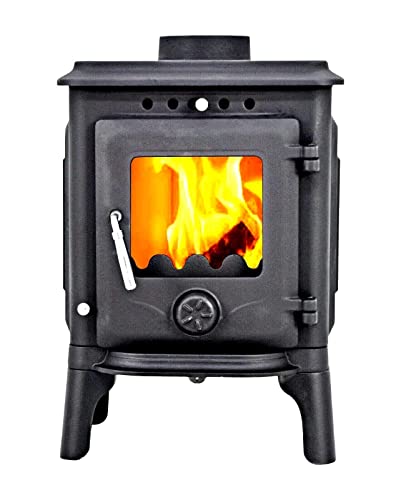 Wet and unseasoned logs will also burn slower than dried wood that has been kiln-baked. This could result in your stove overheating and damaging the flue, so it's best to use seasoned wood only. To determine the moisture content of your logs, knock two sticks together to see how they sound. The wood that is damp will produce a dull thudding noise, while dry logs make the sound of a sharp cracking. The logs that are mature will also be darker in colour than fresh cut damp wood.
Once you've got a small flame and an air flow that is good through your stove, you can start adding larger logs. It is important to not add more than one aga log burner at a time, as this will smother flames and make it difficult for them to catch. It's also a good idea to spread the logs out evenly around your fire and keep some of your kindling between them.
The burn rate can also be affected if you open the stove door too frequently. This can cause the log burner to stop working, which could also decrease its efficiency and increase the amount of smoke emitted. It is also essential to ensure that the area around your log burner is free from combustible materials and that furniture is located far enough to be in line with the distance to combustible guideline for the model you have.
Ventilation
Log stoves, fireplaces, and burners require ventilation to ensure they function effectively. The English Building Regulations require that combustion appliances such as log burners have an adequate supply. This is because smoke could leak into the home if the stove doesn't have adequate ventilation, particularly when the fire isn't working efficiently.
To avoid this to avoid this, you must ensure that the flue or chimney is not blocked. However, ensuring that there is adequate ventilation in the room around your fireplace or stove is also essential. Smoke and soot could escape through the chimney and enter the home. Ventilation can also help ensure that the fire is burning efficiently so that you get most efficient log burner heat out of your wood and minimises emissions.
To get the most efficient results, make sure to use lumber that is seasoned. This means it's been split and cut, then stacked for an extended time period to allow the moisture inside the wood to evaporate. It is usually between six and twelve months. Ideally, the logs for wood burner should be kiln dried to make them more comprehensible to burn.
When you light the fire, only add some small logs initially to let the flames get established. Once they've been established you can add larger logs. Don't add too many at a time however, as this can partially smother the flames and leave unburned fuel behind, which creates smoke and creosote.
It is essential to keep the fire going till all the logs are reduced to soot or embers. It could also decrease the efficiency of the fire if you remove the logs before they are completely burned.
Avoid touching the fire with your fingers, as this can release smoke into the room and cause the wood catch fire. If you open the stove door too quickly when the fire is hot, it will release a cloud of smoke and release embers in the room.
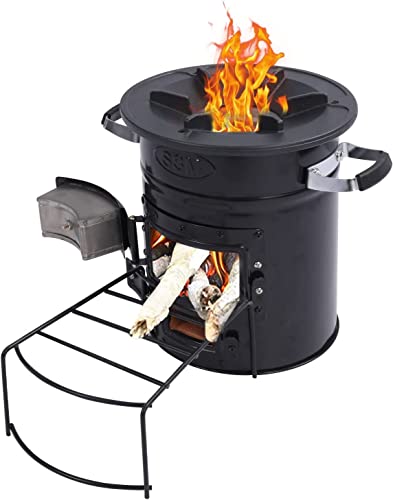 Cleanliness
Cleanliness is essential to an efficient log burner fire, not just for aesthetics, but also in terms of efficiency. A dirty stove will produce less heat, consume more fuel, and produce unpleasant odours. It can also be an hazard to fire and can block the flue, resulting in an inefficient venting system for smoke and fumes.
Other items require attention in addition to the regular cleaning of your ash pan. The bottom burner plate and riddling grates, for instance, should be cleared of soot particles. Examine the ash bucket and baffle plate for wear. Also, make sure to check the gaskets on the glass and door.
It is essential to wear protective goggles and gloves before starting any maintenance task. Soot and ash particles can cause painful abrasions. It is a good idea also to choose a safe area for the work, away from potential hazards. It is also recommended to lay the tarpaulin sheets on the floor in order to catch any falling debris and make the cleaning process much easier.
When you empty the ashes, it is essential to remove them from the fireplace in an aluminum container and keep the container open until they are completely cold. Ashes act as an insulation material that will retain heat for hours or days after the fire has been put out. They can also be used to fertilize, electric log burner but only if they come from clean, untreated wood.
Another important point to consider is the kind of firewood you choose to use. It is recommended to select well-seasoned wood that has been cut and kept away from the weather. Let it dry to an amount of moisture between 20 and 25%. This will help to stop the build-up of creosote and will help keep the chimney free of soot and tar.
For a different option to the traditional log fire, we also have a range of DEFRA approved wood burning stoves that are highly efficient in energy use and produce less emissions than an open flame. Between 25% and 33% (or more) of London's fine particle pollution is due to domestic wood burning. Switching to a stove will make an enormous difference to the environment.
Safety
Log burners can be a cozy and efficient way to heat your log cabin. They are a relatively basic appliance consisting of a firebox, stove door and stove-pipe with air vents for controlling the flame. They require regular maintenance and a basic understanding of how to use the appliance. Here are some tips and don'ts to use log burners.
Use seasoned and dry wood in your log-burner. It will burn more efficiently and produce more heat while releasing less smoke. Green wood that isn't seasoned and seasoned could cause deposits of tar to form in the flue or electric log Burner chimney. This can block airflow and reduce the efficiency of heating. It also poses danger to fire, possibly sparking fires in chimneys or flues. Ideally, you should buy kiln-dried wood that has the 'Ready to Burn' label as it is a sign that it is dry and safe to burn.
Additionally, you should not be using any other fuels in your log burner, such as paraffin firelighter logs or charcoal lighter fluid. These substances are extremely inflammable and could cause fireballs to form inside the stove, releasing harmful gasses. In addition, if you utilize a log burner stove burner within a Smoke Control Area, then it's advisable to only use approved smokeless fuels.
Pellet stoves require much less effort to operate than traditional wood burners. Most require plugging in the appliance and pressing the ignition button. It's still important to read the instructions given by the manufacturer and remember to clean the combustion chamber regularly. It's not a huge task but it does take some time and effort. One suggestion is to place the log holder next to your stove so that you can easily get rid of the ash and other debris whenever you need to. You can also buy the stove with an automatic cleaning chamber to simplify cleaning. This will still require that you clean the ash tray frequently. This will decrease the amount of time and effort you put into cleaning your log burner.
Log burners are a great way to experience the warmth of an actual fire. They also provide a potent heating source for your home.
To get the maximum heat out of your log burner, make sure the wood is dry prior to using it. Evaporation of moisture as well as higher temperatures than required in the stove and emissions of unburnt fuel can all lead to inadequate performance.
Burning logs
If you have an electric log burner, making use of the kiln dried Ready To Burn certified logs is vitally important for your stove's energy efficiency. These logs, when used correctly, will burn at optimum temperatures and decrease the amount of creosote build-up in your chimney. This will reduce your energy bills and decrease greenhouse gas emissions.
However, if you're using unseasoned or green wood, it could be dangerous to the health of your chimney and stove system. Unseasoned wood has a higher level of moisture than dried kiln-dried wood, which can cause problems when burning. Wet logs can create lots of smoke when burned, which can reduce the efficiency of your heating system. It could also cause creosote building up in your chimney. This poses a fire hazard and can lead to chimney fires.
Wet and unseasoned logs will also burn slower than dried wood that has been kiln-baked. This could result in your stove overheating and damaging the flue, so it's best to use seasoned wood only. To determine the moisture content of your logs, knock two sticks together to see how they sound. The wood that is damp will produce a dull thudding noise, while dry logs make the sound of a sharp cracking. The logs that are mature will also be darker in colour than fresh cut damp wood.Once you've got a small flame and an air flow that is good through your stove, you can start adding larger logs. It is important to not add more than one aga log burner at a time, as this will smother flames and make it difficult for them to catch. It's also a good idea to spread the logs out evenly around your fire and keep some of your kindling between them.
The burn rate can also be affected if you open the stove door too frequently. This can cause the log burner to stop working, which could also decrease its efficiency and increase the amount of smoke emitted. It is also essential to ensure that the area around your log burner is free from combustible materials and that furniture is located far enough to be in line with the distance to combustible guideline for the model you have.
Ventilation
Log stoves, fireplaces, and burners require ventilation to ensure they function effectively. The English Building Regulations require that combustion appliances such as log burners have an adequate supply. This is because smoke could leak into the home if the stove doesn't have adequate ventilation, particularly when the fire isn't working efficiently.
To avoid this to avoid this, you must ensure that the flue or chimney is not blocked. However, ensuring that there is adequate ventilation in the room around your fireplace or stove is also essential. Smoke and soot could escape through the chimney and enter the home. Ventilation can also help ensure that the fire is burning efficiently so that you get most efficient log burner heat out of your wood and minimises emissions.
To get the most efficient results, make sure to use lumber that is seasoned. This means it's been split and cut, then stacked for an extended time period to allow the moisture inside the wood to evaporate. It is usually between six and twelve months. Ideally, the logs for wood burner should be kiln dried to make them more comprehensible to burn.
When you light the fire, only add some small logs initially to let the flames get established. Once they've been established you can add larger logs. Don't add too many at a time however, as this can partially smother the flames and leave unburned fuel behind, which creates smoke and creosote.
It is essential to keep the fire going till all the logs are reduced to soot or embers. It could also decrease the efficiency of the fire if you remove the logs before they are completely burned.
Avoid touching the fire with your fingers, as this can release smoke into the room and cause the wood catch fire. If you open the stove door too quickly when the fire is hot, it will release a cloud of smoke and release embers in the room.
CleanlinessCleanliness is essential to an efficient log burner fire, not just for aesthetics, but also in terms of efficiency. A dirty stove will produce less heat, consume more fuel, and produce unpleasant odours. It can also be an hazard to fire and can block the flue, resulting in an inefficient venting system for smoke and fumes.
Other items require attention in addition to the regular cleaning of your ash pan. The bottom burner plate and riddling grates, for instance, should be cleared of soot particles. Examine the ash bucket and baffle plate for wear. Also, make sure to check the gaskets on the glass and door.
It is essential to wear protective goggles and gloves before starting any maintenance task. Soot and ash particles can cause painful abrasions. It is a good idea also to choose a safe area for the work, away from potential hazards. It is also recommended to lay the tarpaulin sheets on the floor in order to catch any falling debris and make the cleaning process much easier.
When you empty the ashes, it is essential to remove them from the fireplace in an aluminum container and keep the container open until they are completely cold. Ashes act as an insulation material that will retain heat for hours or days after the fire has been put out. They can also be used to fertilize, electric log burner but only if they come from clean, untreated wood.
Another important point to consider is the kind of firewood you choose to use. It is recommended to select well-seasoned wood that has been cut and kept away from the weather. Let it dry to an amount of moisture between 20 and 25%. This will help to stop the build-up of creosote and will help keep the chimney free of soot and tar.
For a different option to the traditional log fire, we also have a range of DEFRA approved wood burning stoves that are highly efficient in energy use and produce less emissions than an open flame. Between 25% and 33% (or more) of London's fine particle pollution is due to domestic wood burning. Switching to a stove will make an enormous difference to the environment.
Safety
Log burners can be a cozy and efficient way to heat your log cabin. They are a relatively basic appliance consisting of a firebox, stove door and stove-pipe with air vents for controlling the flame. They require regular maintenance and a basic understanding of how to use the appliance. Here are some tips and don'ts to use log burners.
Use seasoned and dry wood in your log-burner. It will burn more efficiently and produce more heat while releasing less smoke. Green wood that isn't seasoned and seasoned could cause deposits of tar to form in the flue or electric log Burner chimney. This can block airflow and reduce the efficiency of heating. It also poses danger to fire, possibly sparking fires in chimneys or flues. Ideally, you should buy kiln-dried wood that has the 'Ready to Burn' label as it is a sign that it is dry and safe to burn.
Additionally, you should not be using any other fuels in your log burner, such as paraffin firelighter logs or charcoal lighter fluid. These substances are extremely inflammable and could cause fireballs to form inside the stove, releasing harmful gasses. In addition, if you utilize a log burner stove burner within a Smoke Control Area, then it's advisable to only use approved smokeless fuels.
Pellet stoves require much less effort to operate than traditional wood burners. Most require plugging in the appliance and pressing the ignition button. It's still important to read the instructions given by the manufacturer and remember to clean the combustion chamber regularly. It's not a huge task but it does take some time and effort. One suggestion is to place the log holder next to your stove so that you can easily get rid of the ash and other debris whenever you need to. You can also buy the stove with an automatic cleaning chamber to simplify cleaning. This will still require that you clean the ash tray frequently. This will decrease the amount of time and effort you put into cleaning your log burner.
- 이전글20 Private ADHD Assessment Websites That Are Taking The Internet By Storm 23.12.08
- 다음글Ten Buy Mobility Scooter That Will Actually Help You Live Better 23.12.08
댓글목록
등록된 댓글이 없습니다.