What's Holding Back In The Stove Log Burner Industry?
페이지 정보

본문
Stove Log Burner Basics
Stove logs are made of wood, which is a renewable energy source and produces less pollution than electricity, gas, or oil. However, this is only true in the case of wood that is sustainably sourced and burned.
Avoid using compressed combustibles such as firelighter sticks made of paraffin in your stove. They don't burn as well and could cause problems with air regulation.
Selecting the right wood
It is crucial to select the right wood for your stove log burner. The type of wood you select will determine the amount of smoke and heat the stove generates. For this reason, it is recommended that you purchase firewood that has been dried and seasoned. This will ensure the wood burns efficiently and cleanly and emits less smoke. It is also recommended that you purchase a lot of wood to ensure you have enough to last for the duration of.
A wood burner is a great way to heat a space and can provide a cosy atmosphere in which to unwind and spend time with family and friends. It's also a great alternative to other sources of fuel such as gas or oil and can be used in an emergency power outage, since it doesn't require electricity to function.
It is recommended to create a separate area for the storage of your wood logs as this will stop them from getting wet and becoming rotting. The ideal place to store them is under cover, so that the logs can be stored in a straight line and surrounded by a flow of air so that they can dry evenly. This will keep the logs warmer and lower your stove's cost.
Ideally, you should use hardwood logs as they offer more energy output per cubic metre. However, this isn't always feasible since the cost of hardwood can be significantly more than softwoods. If you're not able to afford hardwood, then we suggest you choose an alternative that has less moisture. Birch, for example, contains a lot of moisture and can create excessive smoke when it is burned.
It is also important to remember that even though it could be tempting to collect firewood from the local woods or forest, this is not legal. It is unlawful to harvest wood from any forest without the permission of the owner. It is therefore best to stick to purchasing your wood logs from a trusted supplier.
Initiating the fire
After you've selected the correct wood for your stove log burner and you're ready to ignite the fire. There are a few points to be aware of to ensure a smooth, Small Wood Burning stoves steady flame and to reduce the amount of smoke that is released. Check the instruction manual for your stove or fireplace to find out how to build fires.
The damper lets air into the stove wood burning, or fireplace. It is essential that it is open when you start an open fire to allow logs to be lit. After the fire has started to burn but not yet lit, it is important to close the damper to control the flow of air and heat output.
If you're having difficulty getting your log burner to light it might be beneficial to make use of a few pieces newspaper and firelighters to start the flames. You can also add fuel using dry bark or wood chips. Then, place a few logs on the top of the pile and add more as needed until the electric fire stove is blazing.
When adding logs to the stove, it is best to stack them horizontally and ensure they aren't touching the walls of the stove or the glass pane. Then, you can pile smaller logs over them and then add some bark or birch paper to use as kindling. Keep in mind that the log burner requires a lot of air to burn. Don't hinder the airflow by stacking logs.
Lastly, always check that the logs are dry prior to using them. You can test this by hitting two logs. Dry logs may crackle or flake while wet wood will create the sound of a thudding. You can also check for moisture by placing your hand on the fire and observing its temperature. If it's hot, then you're good to go!
It's also important to add more logs before closing the door. This prevents the existing logs from blocking the flames and cutting off their oxygen supply. It's also important to monitor the fire regularly and adjust it if needed.
Maintaining the fire
Stove log burners are a great alternative to open fires. They can save you money on fuel as well as provide a more efficient heating systems for your home. It could take a lot of time and trial-and-error to discover the most effective ways to manage a wood burning fireplace that is burning all night.
The first thing you have to do is know your stove's log burner fire. A good fire will have flames that dance and smoke in a light manner. However, you should be wary of flames that are too hot or small Wood Burning Stoves that spit. This can mean that the heat is escaping up the chimney rather than into your home and could also be contributing to the build-up of particles in your home's air.
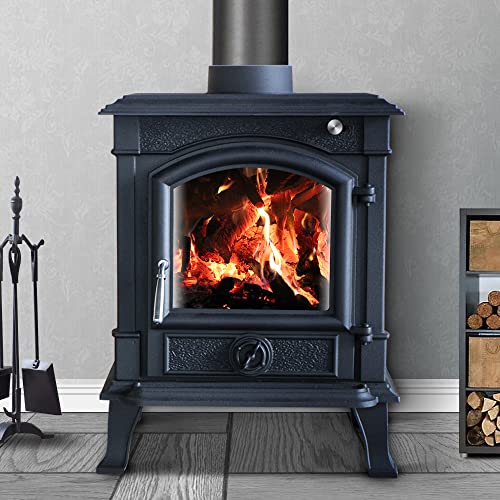 It is also important to understand the best placement of coals in the stove log burner. You can make a powerful combustion by pushing any old coals to the back of the stove and adding newer coals to the front. This creates a powerful heating source that will ignite the larger logs later.
You may have to alter your air vents depending on the stove when the fire is burning. Close the primary air vents only after the logs start to char. Vents that are closed too early can cause the fire to die It is therefore essential to know how to manage the stove's log burner correctly.
If you're using a bio ethanol stove with a log-burner, make sure you only make use of dry wood. If your wood has a high moisture content it's going to struggle to burn and create large quantities of smoke and polluting. Use only seasoned and kiln dried wood from a responsible source such as Woodsure.
It is not recommended to use combustibles that are compressed, such as wood briquettes within your stove's log burner. They are not logs, and their physical properties could affect the capacity of the appliance to regulate air flow around the combustion process. In the same way, you should not employ paraffin firelighters in your stove as these are made from fossil fuels and have no place in an environmentally conscious wood burning stove that is specifically approved for the purpose.
Fire extinguishing
Log burners are growing in popularity with homeowners due to their convenience, character and capability to reduce dependence on fossil fuels for heating homes. To get the most out of a stove log-burner and avoid costly errors it is essential to know the basic principles behind it.
When using a stove with a log burner it is recommended you use wood that has been well-seasoned. This means that it has been cut, split and stacked for at least 12 months, so that it is able to dry naturally. Remember that the drier your wood is the more efficiently it burns, and the less ash you will produce.
To aid in letting the wood dry, it is vital to stack the logs in a place that is cool and dry. This is particularly important if you are planning to build a large-scale fireplace. You can also purchase dry kiln-dried logs that have been pre-seasoned to are more efficient in burning and produce less ash.
When constructing the fire for your log burner, it's essential to start with small wood burning stoves - visit Www Kepenk Trsfcdhf Hfhjf`s official website - pieces of wood and gradually progress to larger pieces as the flames are established. This will ensure that the fire is ignited evenly and will not spit sparks or cause the glass to crack.
It is also advisable to not add too much wood at one time, as it can suffocate the flames and prevent them from burning for long enough to produce the desired heat output. It is also essential to avoid using garbage or scrap in your log heater. These materials can produce excessive smoke and may catch the fire.
Most stoves are fitted with air vents that can be shut or opened to regulate the flow of oxygen to the flames. They are accessible via an open or closed lever that is located under or beside the door to the stove. Many stoves have dampers that open and closes the flue.
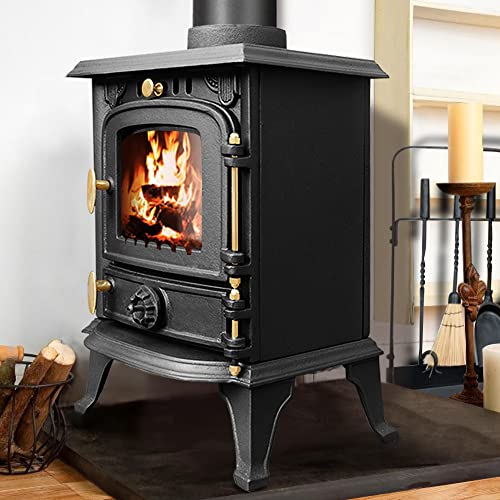 When putting out a woodburner stove log burner fire the first step is to close the stove's door and then open the chimney flap. It is best to use a metal lid or similar item to smother the flames. This will stop the fire from re-igniting and also prevent harmful fumes like carbon monoxide from venting into the air. It is important to let the ashes cool before removing them as they could be a danger if stored close to anything that is flammable.
Stove logs are made of wood, which is a renewable energy source and produces less pollution than electricity, gas, or oil. However, this is only true in the case of wood that is sustainably sourced and burned.
Avoid using compressed combustibles such as firelighter sticks made of paraffin in your stove. They don't burn as well and could cause problems with air regulation.
Selecting the right wood
It is crucial to select the right wood for your stove log burner. The type of wood you select will determine the amount of smoke and heat the stove generates. For this reason, it is recommended that you purchase firewood that has been dried and seasoned. This will ensure the wood burns efficiently and cleanly and emits less smoke. It is also recommended that you purchase a lot of wood to ensure you have enough to last for the duration of.
A wood burner is a great way to heat a space and can provide a cosy atmosphere in which to unwind and spend time with family and friends. It's also a great alternative to other sources of fuel such as gas or oil and can be used in an emergency power outage, since it doesn't require electricity to function.
It is recommended to create a separate area for the storage of your wood logs as this will stop them from getting wet and becoming rotting. The ideal place to store them is under cover, so that the logs can be stored in a straight line and surrounded by a flow of air so that they can dry evenly. This will keep the logs warmer and lower your stove's cost.
Ideally, you should use hardwood logs as they offer more energy output per cubic metre. However, this isn't always feasible since the cost of hardwood can be significantly more than softwoods. If you're not able to afford hardwood, then we suggest you choose an alternative that has less moisture. Birch, for example, contains a lot of moisture and can create excessive smoke when it is burned.
It is also important to remember that even though it could be tempting to collect firewood from the local woods or forest, this is not legal. It is unlawful to harvest wood from any forest without the permission of the owner. It is therefore best to stick to purchasing your wood logs from a trusted supplier.
Initiating the fire
After you've selected the correct wood for your stove log burner and you're ready to ignite the fire. There are a few points to be aware of to ensure a smooth, Small Wood Burning stoves steady flame and to reduce the amount of smoke that is released. Check the instruction manual for your stove or fireplace to find out how to build fires.
The damper lets air into the stove wood burning, or fireplace. It is essential that it is open when you start an open fire to allow logs to be lit. After the fire has started to burn but not yet lit, it is important to close the damper to control the flow of air and heat output.
If you're having difficulty getting your log burner to light it might be beneficial to make use of a few pieces newspaper and firelighters to start the flames. You can also add fuel using dry bark or wood chips. Then, place a few logs on the top of the pile and add more as needed until the electric fire stove is blazing.
When adding logs to the stove, it is best to stack them horizontally and ensure they aren't touching the walls of the stove or the glass pane. Then, you can pile smaller logs over them and then add some bark or birch paper to use as kindling. Keep in mind that the log burner requires a lot of air to burn. Don't hinder the airflow by stacking logs.
Lastly, always check that the logs are dry prior to using them. You can test this by hitting two logs. Dry logs may crackle or flake while wet wood will create the sound of a thudding. You can also check for moisture by placing your hand on the fire and observing its temperature. If it's hot, then you're good to go!
It's also important to add more logs before closing the door. This prevents the existing logs from blocking the flames and cutting off their oxygen supply. It's also important to monitor the fire regularly and adjust it if needed.
Maintaining the fire
Stove log burners are a great alternative to open fires. They can save you money on fuel as well as provide a more efficient heating systems for your home. It could take a lot of time and trial-and-error to discover the most effective ways to manage a wood burning fireplace that is burning all night.
The first thing you have to do is know your stove's log burner fire. A good fire will have flames that dance and smoke in a light manner. However, you should be wary of flames that are too hot or small Wood Burning Stoves that spit. This can mean that the heat is escaping up the chimney rather than into your home and could also be contributing to the build-up of particles in your home's air.
It is also important to understand the best placement of coals in the stove log burner. You can make a powerful combustion by pushing any old coals to the back of the stove and adding newer coals to the front. This creates a powerful heating source that will ignite the larger logs later.You may have to alter your air vents depending on the stove when the fire is burning. Close the primary air vents only after the logs start to char. Vents that are closed too early can cause the fire to die It is therefore essential to know how to manage the stove's log burner correctly.
If you're using a bio ethanol stove with a log-burner, make sure you only make use of dry wood. If your wood has a high moisture content it's going to struggle to burn and create large quantities of smoke and polluting. Use only seasoned and kiln dried wood from a responsible source such as Woodsure.
It is not recommended to use combustibles that are compressed, such as wood briquettes within your stove's log burner. They are not logs, and their physical properties could affect the capacity of the appliance to regulate air flow around the combustion process. In the same way, you should not employ paraffin firelighters in your stove as these are made from fossil fuels and have no place in an environmentally conscious wood burning stove that is specifically approved for the purpose.
Fire extinguishing
Log burners are growing in popularity with homeowners due to their convenience, character and capability to reduce dependence on fossil fuels for heating homes. To get the most out of a stove log-burner and avoid costly errors it is essential to know the basic principles behind it.
When using a stove with a log burner it is recommended you use wood that has been well-seasoned. This means that it has been cut, split and stacked for at least 12 months, so that it is able to dry naturally. Remember that the drier your wood is the more efficiently it burns, and the less ash you will produce.
To aid in letting the wood dry, it is vital to stack the logs in a place that is cool and dry. This is particularly important if you are planning to build a large-scale fireplace. You can also purchase dry kiln-dried logs that have been pre-seasoned to are more efficient in burning and produce less ash.
When constructing the fire for your log burner, it's essential to start with small wood burning stoves - visit Www Kepenk Trsfcdhf Hfhjf`s official website - pieces of wood and gradually progress to larger pieces as the flames are established. This will ensure that the fire is ignited evenly and will not spit sparks or cause the glass to crack.
It is also advisable to not add too much wood at one time, as it can suffocate the flames and prevent them from burning for long enough to produce the desired heat output. It is also essential to avoid using garbage or scrap in your log heater. These materials can produce excessive smoke and may catch the fire.
Most stoves are fitted with air vents that can be shut or opened to regulate the flow of oxygen to the flames. They are accessible via an open or closed lever that is located under or beside the door to the stove. Many stoves have dampers that open and closes the flue.
When putting out a woodburner stove log burner fire the first step is to close the stove's door and then open the chimney flap. It is best to use a metal lid or similar item to smother the flames. This will stop the fire from re-igniting and also prevent harmful fumes like carbon monoxide from venting into the air. It is important to let the ashes cool before removing them as they could be a danger if stored close to anything that is flammable.- 이전글15 Bizarre Hobbies That'll Make You Smarter At Asbestos Law 23.12.02
- 다음글10 Tips For Quickly Getting ADHD In Adult Women Symptoms 23.12.02
댓글목록
등록된 댓글이 없습니다.