Five Things Everybody Does Wrong About Stove Log Burner
페이지 정보

본문
Stove Log Burner Basics
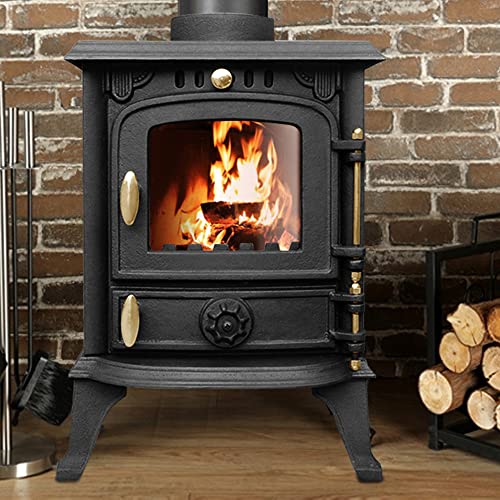 Stove logs burn wood, which is renewable energy source and emits less pollution than electricity, gas or oil. This is only the case when the wood is obtained sustainably and burned.
Avoid using compressed combustibles, such as paraffin firelighter logs in your stove since they aren't burning properly and could cause problems for the air-regulating mechanism.
The right wood to choose
It is crucial to select the appropriate wood for your stove log burning stove burner. This is because the kind of wood you burn will impact the amount of heat your stove produces and also have an affect the amount of smoke generated. It is therefore recommended that you purchase firewood that is seasoned and dried. This will ensure that the wood burns efficiently and cleanly and produces less smoke. It is also recommended that you buy a large quantity of wood to ensure that you have enough for an extended period of time.
A wood burner is a fantastic way to heat a space and create a cozy environment to relax and spend time with friends and family. It's a great alternative to other fuels like oil or gas and can be used even during a power outage, as it does not require electricity to operate.
It is a good idea to have a dedicated area for storage of your wood logs, as this will stop them from becoming wet and decaying. The best storage space for your wood logs is undercover. They can be kept upright in an airy area, and will dry evenly. This will keep the cheap wood burning stoves warmer and reduce the cost of your stove.
The ideal choice is to use hardwood logs as they offer a higher heat output per cubic millimetre. This is not always possible because hardwood logs may cost considerably more than softwoods. If you are unable to use hardwood, we recommend choosing a wood with an lower level of moisture. For instance, birch has a high moisture content and can cause excessive smoke when burned.
It is also important to remember that even though it could be tempting to collect firewood from local forests or forest, this is not legal. It is not legal to collect wood from forests without the permission of the owner. Therefore, it is best to buy your wood logs from a reputable supplier.
Starting the fire
It's time to ignite the fire after having selected the correct wood for your stove log burner. It is important to be aware of a few important aspects to ensure a stable, good burn and reduce smoke. First, always consult the manufacturer's handbook for specific instructions on how to build an effective fire in your white electric stove or fireplace.
The damper allows air into the fireplace or stove, and it's important to have it open prior to starting an open flame so that the logs can be lit. Close the damper after the fire has been lit to regulate the flow of air and the output of heat.
If you're having trouble getting your log burner to ignite it might be beneficial to use a few pieces of newspaper and firelighters to start the flames. You can also add fuel by using a piece dry bark or wood chips. Then, put a few logs on the top of the pile, and continue to add more as the fire is burning.
When adding logs to the stove, it's recommended to stack them horizontally and ensure they aren't touching the stove's walls or the glass pane. Then, you can stack smaller logs on top and finish them off with bark or birch paper to use as the flame. Keep in mind that the log burner requires a lot of air to burn. Don't block the air intake by stacking logs.
Lastly, always check that the logs are dry before using them. Try smacking two logs. Dry logs will crackle or flake while wet wood will produce an eerie sound. You can also check for moisture by putting your hand into the fire and observing the temperature. If it's hot, you're fine!
It is also important to add new logs to the fire before closing the door. This will prevent the existing logs from smothering and cutting off the oxygen supply to the flames. It's also important to monitor the fire regularly and adjust it if needed.
Maintaining the fire
Stove log burners can be a fantastic alternative to open fires. They can help you save money on fuel and offer more efficient heating systems for your home. It can take some time and trial and error to figure out the best methods to manage a wood burning fireplace that is burning all night.
You should first get to know the fire of your stove's log burner. A good fire will have flames that dance and smoke lightly. You'll need flames that aren't too intense or spitting. This could cause the heat to rise up the chimney instead of into your room, and can also cause the accumulation of particles in your home's atmosphere.
You should also get to know the best place to put coals in stove log burner. You can achieve a successful burn by pushing the old coals towards the back of the stove and adding newer coals to the front. This creates a powerful heat source to ignite the larger logs later.
You may have to alter your air vents depending on the stove when the fire is burning. Start by opening the vents open, and then close them after the logs begin start to char on the outside. It's important to know how to control the stove log burner correctly. If you close the vents too early the fire will go out.
If you use a stove with a log-burner, make sure you only make use of dry wood. If your wood has a high moisture content it will struggle to burn and produce copious quantities of smoke and polluting. Use only well-seasoned and kiln-dried wood from a trusted source like Woodsure.
You should also never use compressed combustibles like wood briquettes in your stove's log burner since they are not logs, and could have a different physical structure which could affect the appliance's ability to regulate the flow of air around the combustion process. Also, you should not use paraffin in your stove because they are fossil fuels. They have no place in a stove wood burning that is wood-burning that is designed to be eco-friendly.
Put out the fire
Log burners are becoming increasingly popular among homeowners due to their comfort and characterful focal point, while reducing dependence on fossil fuels for domestic heating. However, it is essential to know the fundamentals of operating stove log burners to make the most of this kind of fire and avoid costly mistakes.
When using a stove with log burners, it is recommended that you use wood that has been well-seasoned. It is essential that the wood has been cut, stacked and split for at least a year in order to allow it to dry naturally. Keep in mind that the dryer your wood is, the more efficiently it burns and the less ash you produce.
Stacking the logs in a cool and dry location is crucial for letting the wood dry out. This is particularly crucial if you intend to build a large-scale fire. You can also purchase kiln dried logs which are pre-seasoned to ensure that they are more efficient in burning and produce less ash.
When building the fire in your log burner, it is important to start with small pieces of wood and gradually work up to larger pieces as the flames become established. This will ensure that the fire is ignited evenly and will not release sparks or cause the glass to crack.
It is also recommended to not add too much wood at any one time, as this could smother the flames and prevent them from burning long enough to provide the desired heat output. It is also essential to avoid using scrap or rubbish in your log heater. These materials can produce excessive smoke and stove log burner even catch on fire.
Most stoves come with air vents which can be opened or closed to control the supply of oxygen to the flames. They can be opened by the lever under or beside the stove door. Many stoves feature a damper which opens and closes a flue.
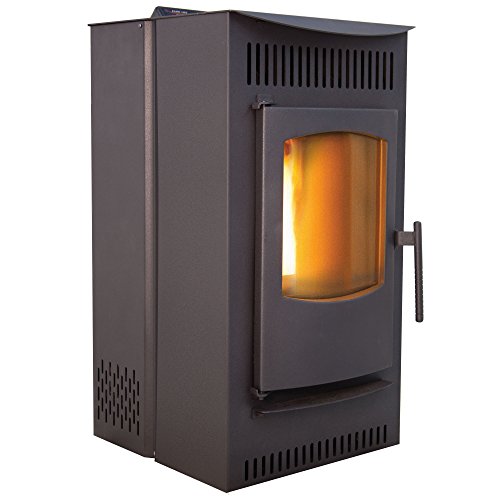 In order to put out a stove log burner fire, the first step is to shut the door stove log Burner of the stove and then open the chimney flap. Then, it's a good idea to smother the flame with a pot lid or something similar. This will prevent it from reigniting and could prevent harmful fumes such as carbon monoxide being released into the air. It is important to let the ashes cool down before disposing of them, as they could be a danger if stored close to anything that is flammable.
Stove logs burn wood, which is renewable energy source and emits less pollution than electricity, gas or oil. This is only the case when the wood is obtained sustainably and burned.Avoid using compressed combustibles, such as paraffin firelighter logs in your stove since they aren't burning properly and could cause problems for the air-regulating mechanism.
The right wood to choose
It is crucial to select the appropriate wood for your stove log burning stove burner. This is because the kind of wood you burn will impact the amount of heat your stove produces and also have an affect the amount of smoke generated. It is therefore recommended that you purchase firewood that is seasoned and dried. This will ensure that the wood burns efficiently and cleanly and produces less smoke. It is also recommended that you buy a large quantity of wood to ensure that you have enough for an extended period of time.
A wood burner is a fantastic way to heat a space and create a cozy environment to relax and spend time with friends and family. It's a great alternative to other fuels like oil or gas and can be used even during a power outage, as it does not require electricity to operate.
It is a good idea to have a dedicated area for storage of your wood logs, as this will stop them from becoming wet and decaying. The best storage space for your wood logs is undercover. They can be kept upright in an airy area, and will dry evenly. This will keep the cheap wood burning stoves warmer and reduce the cost of your stove.
The ideal choice is to use hardwood logs as they offer a higher heat output per cubic millimetre. This is not always possible because hardwood logs may cost considerably more than softwoods. If you are unable to use hardwood, we recommend choosing a wood with an lower level of moisture. For instance, birch has a high moisture content and can cause excessive smoke when burned.
It is also important to remember that even though it could be tempting to collect firewood from local forests or forest, this is not legal. It is not legal to collect wood from forests without the permission of the owner. Therefore, it is best to buy your wood logs from a reputable supplier.
Starting the fire
It's time to ignite the fire after having selected the correct wood for your stove log burner. It is important to be aware of a few important aspects to ensure a stable, good burn and reduce smoke. First, always consult the manufacturer's handbook for specific instructions on how to build an effective fire in your white electric stove or fireplace.
The damper allows air into the fireplace or stove, and it's important to have it open prior to starting an open flame so that the logs can be lit. Close the damper after the fire has been lit to regulate the flow of air and the output of heat.
If you're having trouble getting your log burner to ignite it might be beneficial to use a few pieces of newspaper and firelighters to start the flames. You can also add fuel by using a piece dry bark or wood chips. Then, put a few logs on the top of the pile, and continue to add more as the fire is burning.
When adding logs to the stove, it's recommended to stack them horizontally and ensure they aren't touching the stove's walls or the glass pane. Then, you can stack smaller logs on top and finish them off with bark or birch paper to use as the flame. Keep in mind that the log burner requires a lot of air to burn. Don't block the air intake by stacking logs.
Lastly, always check that the logs are dry before using them. Try smacking two logs. Dry logs will crackle or flake while wet wood will produce an eerie sound. You can also check for moisture by putting your hand into the fire and observing the temperature. If it's hot, you're fine!
It is also important to add new logs to the fire before closing the door. This will prevent the existing logs from smothering and cutting off the oxygen supply to the flames. It's also important to monitor the fire regularly and adjust it if needed.
Maintaining the fire
Stove log burners can be a fantastic alternative to open fires. They can help you save money on fuel and offer more efficient heating systems for your home. It can take some time and trial and error to figure out the best methods to manage a wood burning fireplace that is burning all night.
You should first get to know the fire of your stove's log burner. A good fire will have flames that dance and smoke lightly. You'll need flames that aren't too intense or spitting. This could cause the heat to rise up the chimney instead of into your room, and can also cause the accumulation of particles in your home's atmosphere.
You should also get to know the best place to put coals in stove log burner. You can achieve a successful burn by pushing the old coals towards the back of the stove and adding newer coals to the front. This creates a powerful heat source to ignite the larger logs later.
You may have to alter your air vents depending on the stove when the fire is burning. Start by opening the vents open, and then close them after the logs begin start to char on the outside. It's important to know how to control the stove log burner correctly. If you close the vents too early the fire will go out.
If you use a stove with a log-burner, make sure you only make use of dry wood. If your wood has a high moisture content it will struggle to burn and produce copious quantities of smoke and polluting. Use only well-seasoned and kiln-dried wood from a trusted source like Woodsure.
You should also never use compressed combustibles like wood briquettes in your stove's log burner since they are not logs, and could have a different physical structure which could affect the appliance's ability to regulate the flow of air around the combustion process. Also, you should not use paraffin in your stove because they are fossil fuels. They have no place in a stove wood burning that is wood-burning that is designed to be eco-friendly.
Put out the fire
Log burners are becoming increasingly popular among homeowners due to their comfort and characterful focal point, while reducing dependence on fossil fuels for domestic heating. However, it is essential to know the fundamentals of operating stove log burners to make the most of this kind of fire and avoid costly mistakes.
When using a stove with log burners, it is recommended that you use wood that has been well-seasoned. It is essential that the wood has been cut, stacked and split for at least a year in order to allow it to dry naturally. Keep in mind that the dryer your wood is, the more efficiently it burns and the less ash you produce.
Stacking the logs in a cool and dry location is crucial for letting the wood dry out. This is particularly crucial if you intend to build a large-scale fire. You can also purchase kiln dried logs which are pre-seasoned to ensure that they are more efficient in burning and produce less ash.
When building the fire in your log burner, it is important to start with small pieces of wood and gradually work up to larger pieces as the flames become established. This will ensure that the fire is ignited evenly and will not release sparks or cause the glass to crack.
It is also recommended to not add too much wood at any one time, as this could smother the flames and prevent them from burning long enough to provide the desired heat output. It is also essential to avoid using scrap or rubbish in your log heater. These materials can produce excessive smoke and stove log burner even catch on fire.
Most stoves come with air vents which can be opened or closed to control the supply of oxygen to the flames. They can be opened by the lever under or beside the stove door. Many stoves feature a damper which opens and closes a flue.
In order to put out a stove log burner fire, the first step is to shut the door stove log Burner of the stove and then open the chimney flap. Then, it's a good idea to smother the flame with a pot lid or something similar. This will prevent it from reigniting and could prevent harmful fumes such as carbon monoxide being released into the air. It is important to let the ashes cool down before disposing of them, as they could be a danger if stored close to anything that is flammable.- 이전글Buzzwords De-Buzzed: 10 Other Ways For Saying Designer Bags 23.11.26
- 다음글5 Clarifications On Railroad Settlement Acute Myeloid Leukemia 23.11.26
댓글목록
등록된 댓글이 없습니다.